
Paint Products Sedimentation Tank Waterproofing
A waterproofing project for a paint product settling tank was successfully completed in Marijampolė. This concrete tank is designed for the collection and storage of paints, solvents, and other liquid materials; therefore, it was essential to ensure maximum resistance to aggressive chemical exposure.
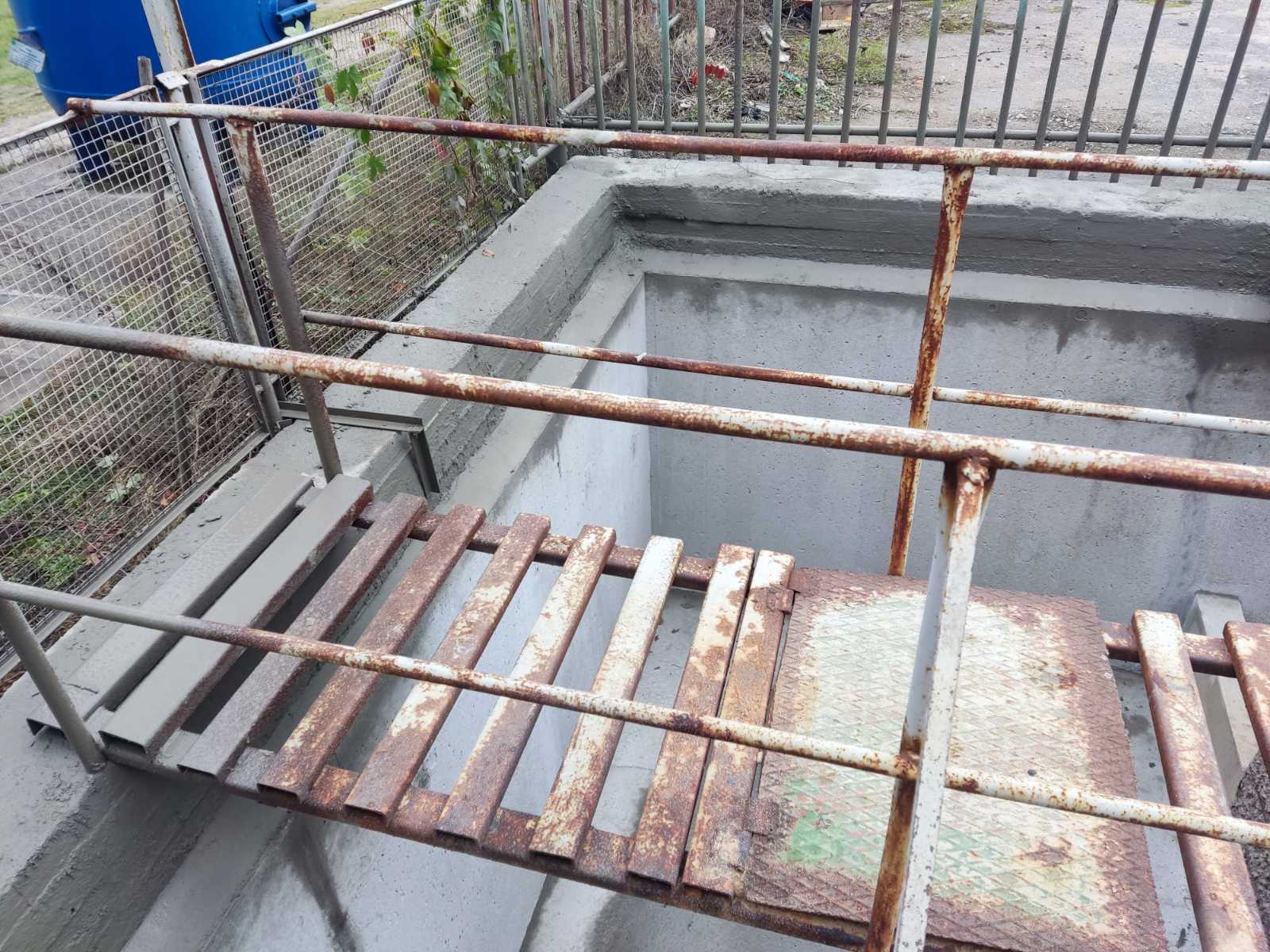
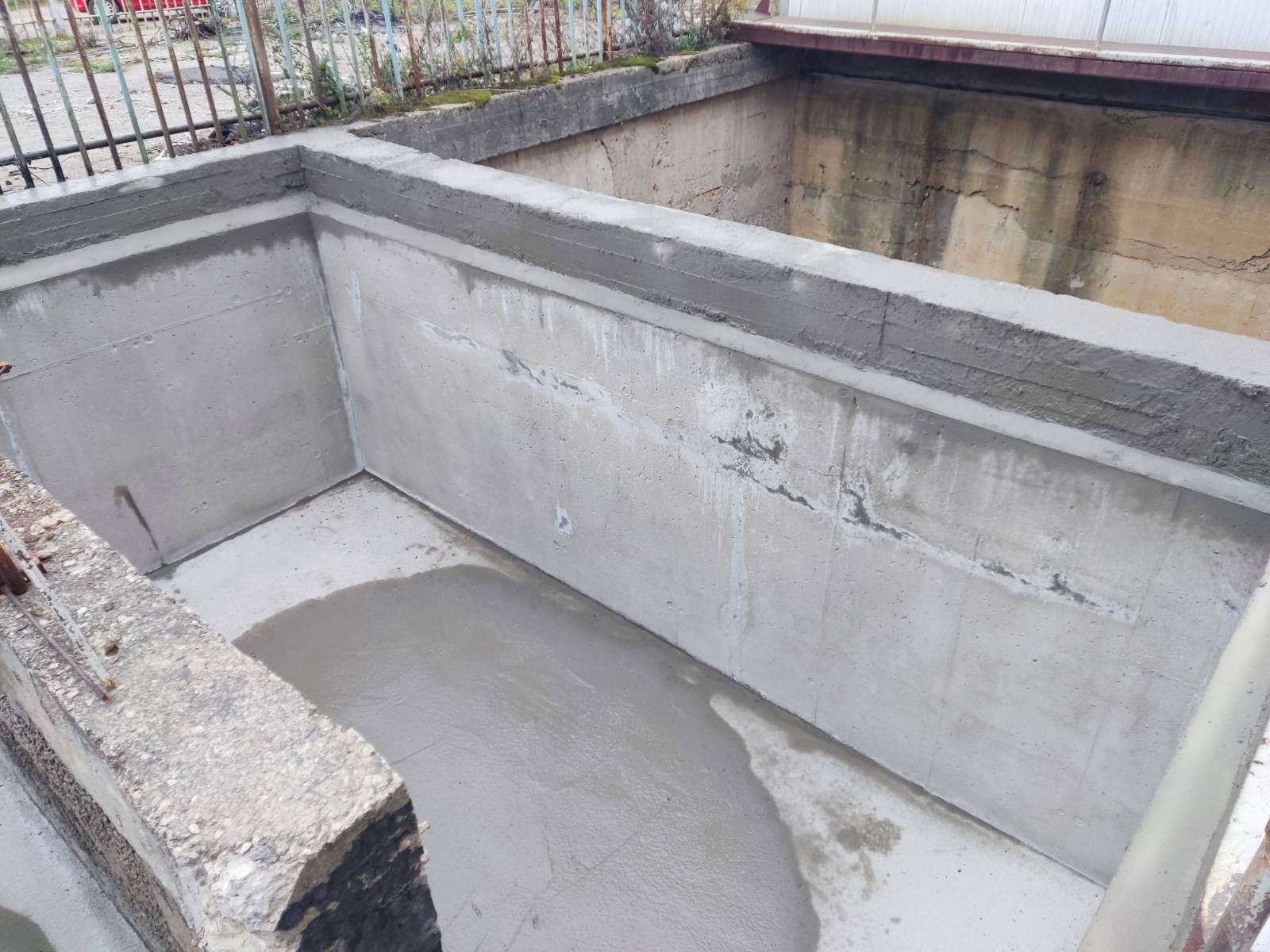
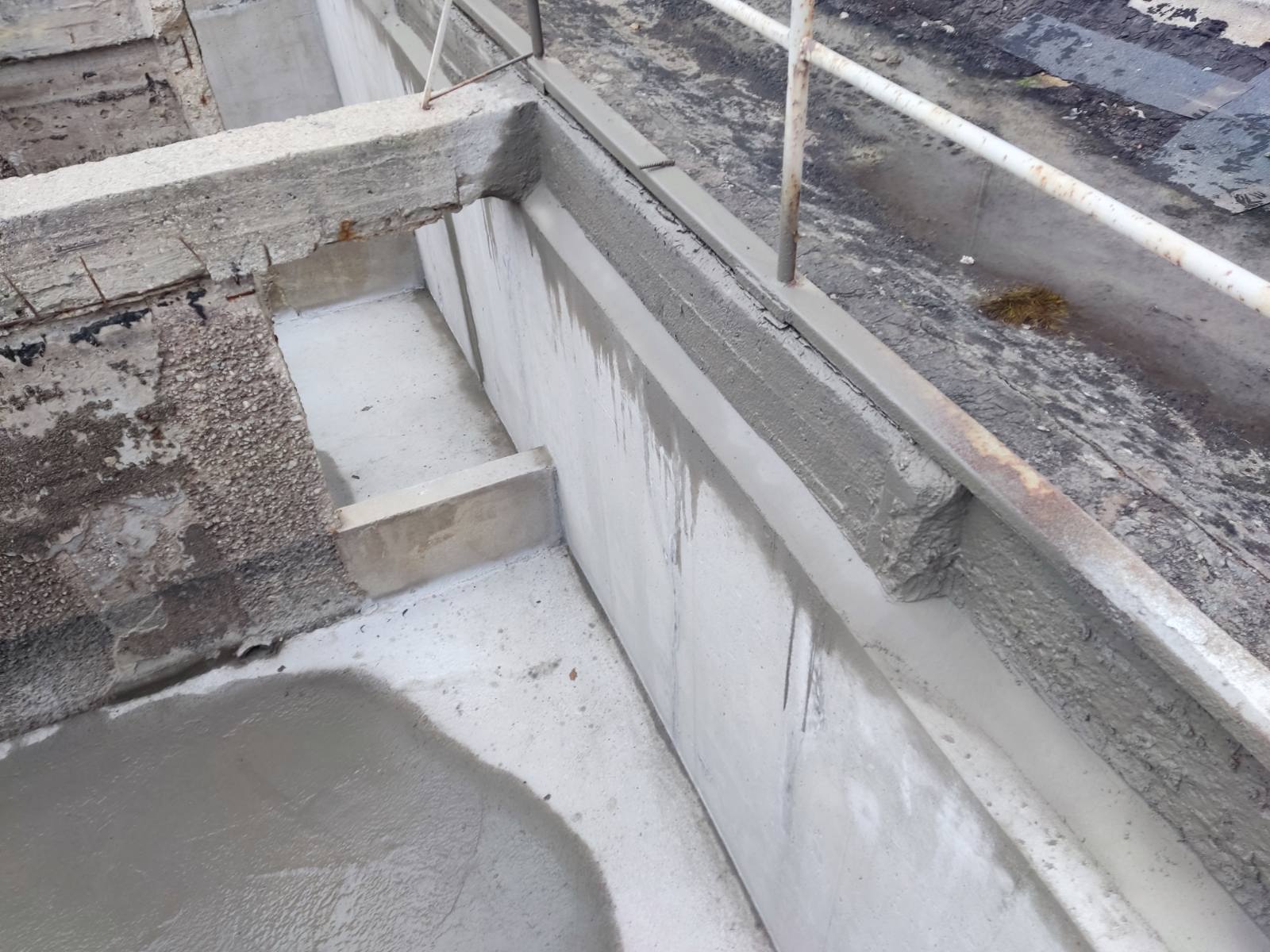
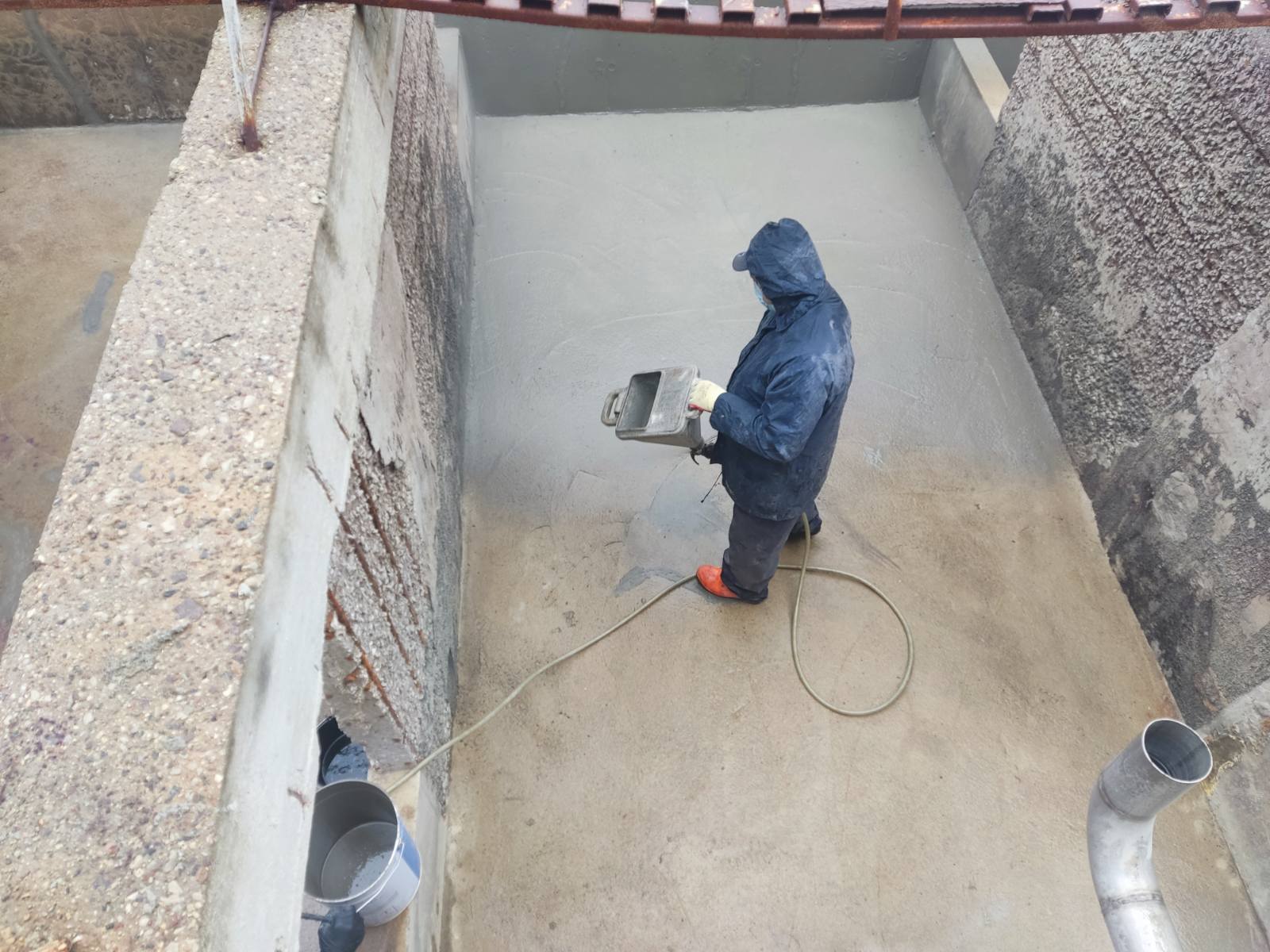
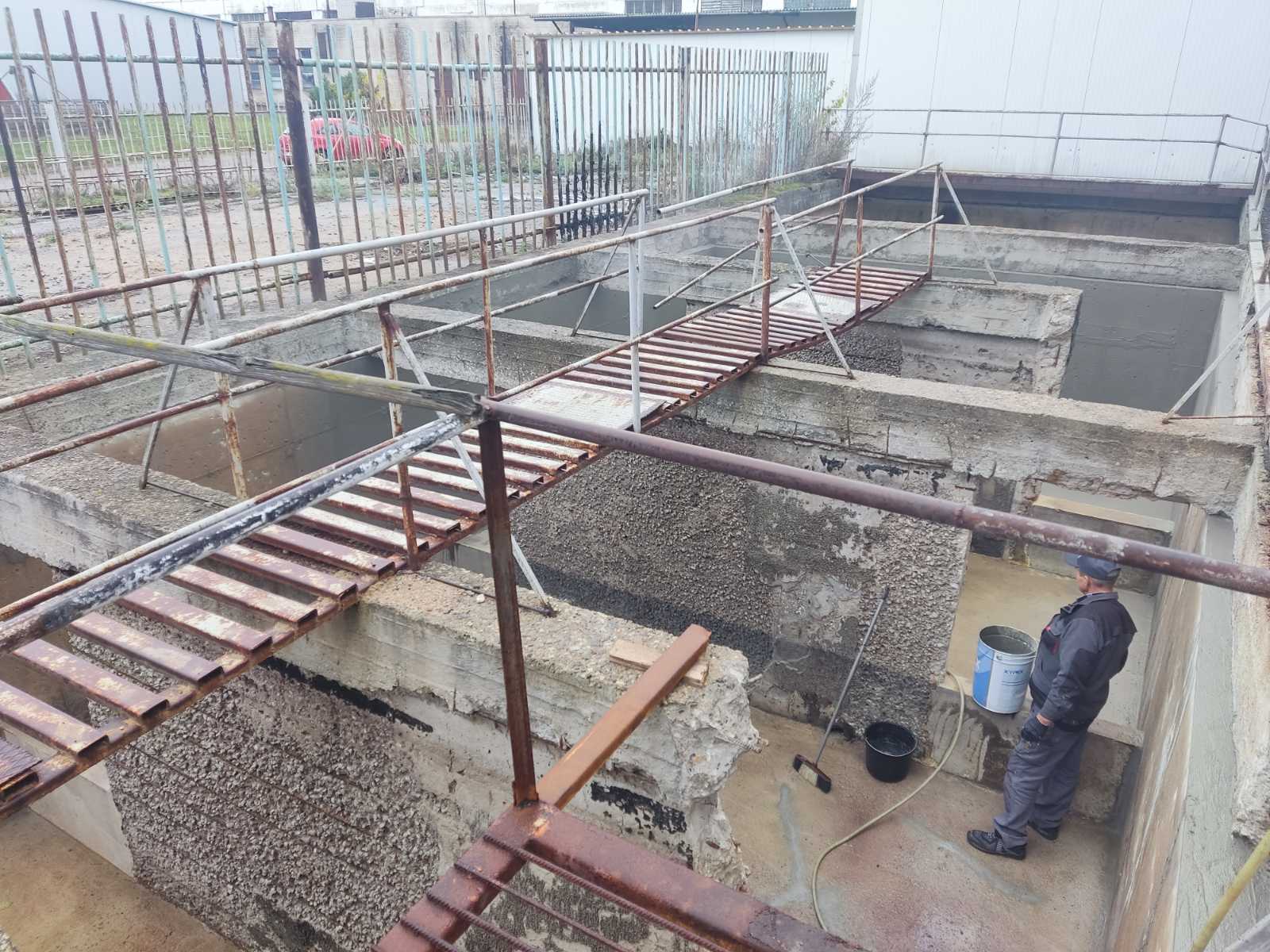
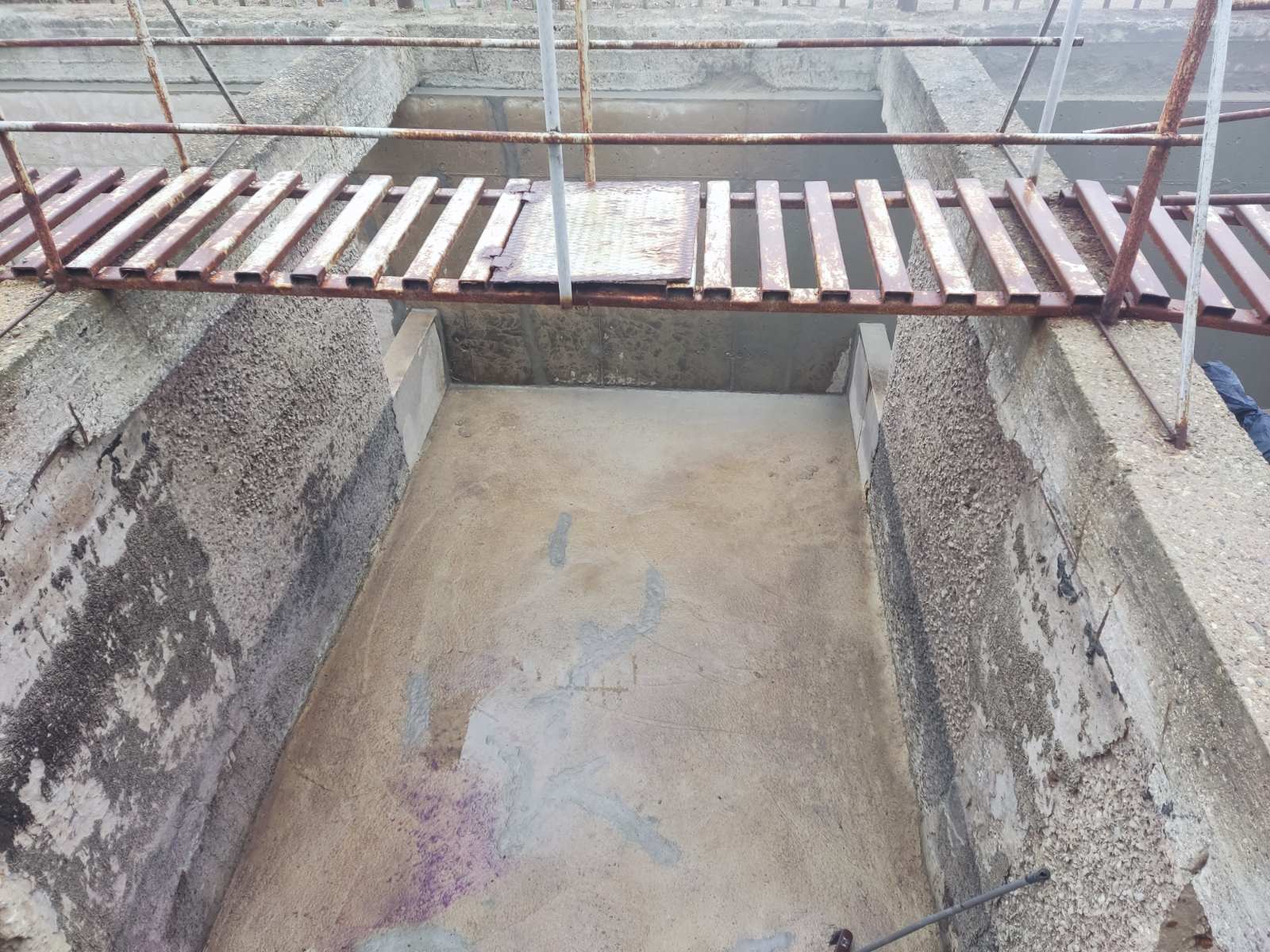
XYPEX crystalline technology was selected for the project to provide long-term, reliable protection against water and chemical attack. The tank surfaces were first carefully prepared — impurities were removed, and proper adhesion between the concrete and the waterproofing layer was ensured.
Then, a two-layer crystalline system was applied: the first layer of XYPEX Concentrate, followed by a second layer of XYPEX Modified. Thanks to this technology, the following results were achieved:
• Complete protection against water penetration: the concrete structure becomes impermeable from both the inside and outside.
• Resistance to chemicals and corrosion: the tank can safely store paints, solvents, and other aggressive substances.
• Self-healing of cracks: the crystalline structure seals cracks up to 0.5 mm, extending the service life of the structure.
• Durability and operational safety: XYPEX products ensure long-term performance without loss of waterproofing properties.
This project demonstrates that the XYPEX Concentrate and XYPEX Modified crystalline system is among the most reliable solutions for industrial tanks exposed to aggressive chemicals. Such waterproofing guarantees the durability, safety, and reliable operation of the tank even under the most demanding conditions.
Overview
Market Segment
General Foundation
Owner/Developer
Vernitas / Vizgintos statyba
Location
Marijampolė, Lithuania
PRODUCTS USED
ConcentrateApplied as a cementitious slurry to the surface of existing above or below-grade structures to waterproof and protect the concrete against high hydrostatic pressure and aggressive environments.
Specifically formulated for restoration of concrete damaged by microbial induced corrosion, abrasion/erosion and chemical attack.